Artificial intelligence is changing the way businesses work. From automating repetitive tasks to creating brand new content, AI is quickly becoming part of everyday working life. But while AI technology is moving fast, many businesses are finding that their employee skillset isn’t developing at the same pace.
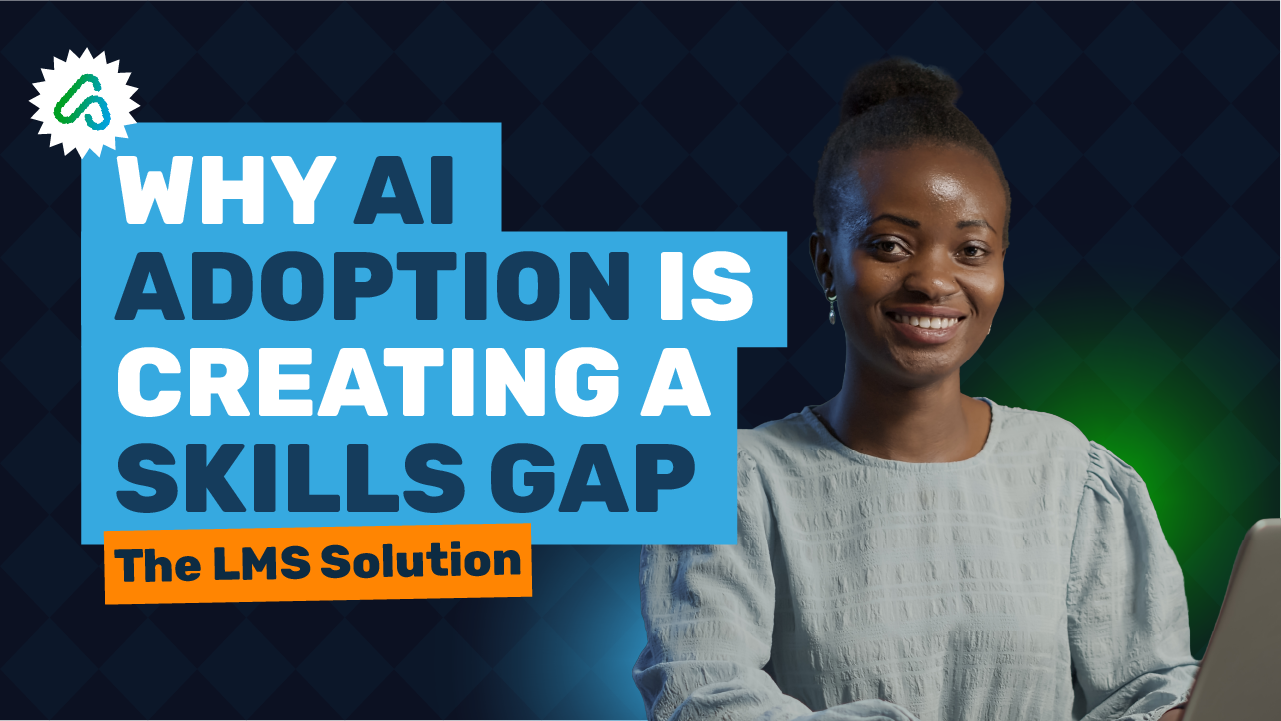
This is why AI adoption is creating a significant skills gap. Businesses are introducing AI tools before many employees have had the training or guidance to use them effectively. The inconsistent skill level among employees makes it difficult for organisations to use AI safely, consistently and productively.
The AI skills gap is not only about high-level, technical knowledge. While there is growing demand for specialists such as data scientists and machine learning engineers, most businesses also need employees who can use AI in practical, everyday ways. This includes knowing how to write effective prompts, check AI-generated information, protect sensitive data, recognise limitations and apply human judgement.
Research into AI-related job vacancies has identified demand across many different levels of capability. The research also found significant salary increases for AI-related skills, highlighting how valuable these capabilities are becoming in the labour market. If only a small number of employees understand how to use AI well, businesses risk creating knowledge gaps, inconsistent working practices and potential compliance concerns.
Why AI Skills Are Falling Behind
One reason the skills gap is widening is that AI tools are now easy to access. Employees can start using them quickly, often before their organisation can offer formal training, policies or guidance. While this can be positive, it can also lead to confusion if people are left to work out best practice on their own.
Another reason is that job roles are changing. Tasks that once took hours can now be completed in minutes with the help of AI tools. However, this does not remove the need for people. Instead, it changes the skills they need. Employees need to be able to use these AI tools effectively, with critical thinking, digital confidence and responsible decision-making now becoming essential workplace skills.
To close the AI skills gap, employees need effective training in these skills. Businesses need to provide structured learning pathways that help employees build confidence using these tools over time. These might include essential digital skills, cyber security awareness, data protection, responsible AI use, communication, problem-solving and role-specific training.
How Can We Help Businesses Close the AI Skills Gap?
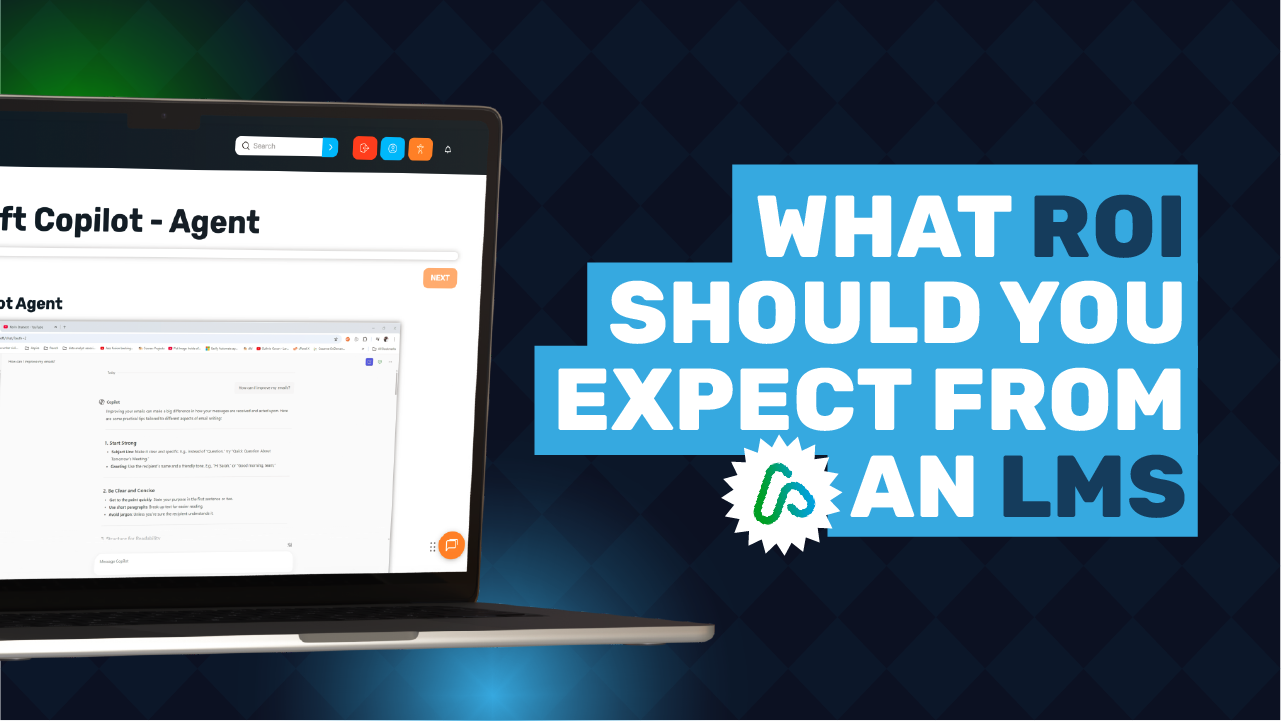
For organisations looking to close the AI skills gap, Aspire360 provides a structured way to deliver the right learning to the right people. This complete learning management system is designed to make employee upskilling simple. It brings together an intuitive LMS, on-demand learning content, flexible pathways, reporting and analytics to support training across different teams and locations.
Employers can assign relevant training pathways, track completion, monitor progress and identify where additional support may be needed. They can also tailor learning to suit different needs while keeping everything in one central platform. The course builder tool also allows organisations to create bespoke content that reflects their own policies, systems and AI guidance.
Aspire360 also supports wider digital skills development, helping organisations build confidence from beginner through to more advanced levels. The course library is created by certified trainers, and built-in reporting gives L&D teams the insight they need to track learning progress across the business.
Ready to build AI confidence across your organisation? Start your free trial with Aspire360 today and discover how scalable learning can support your teams prepare for the future of work.